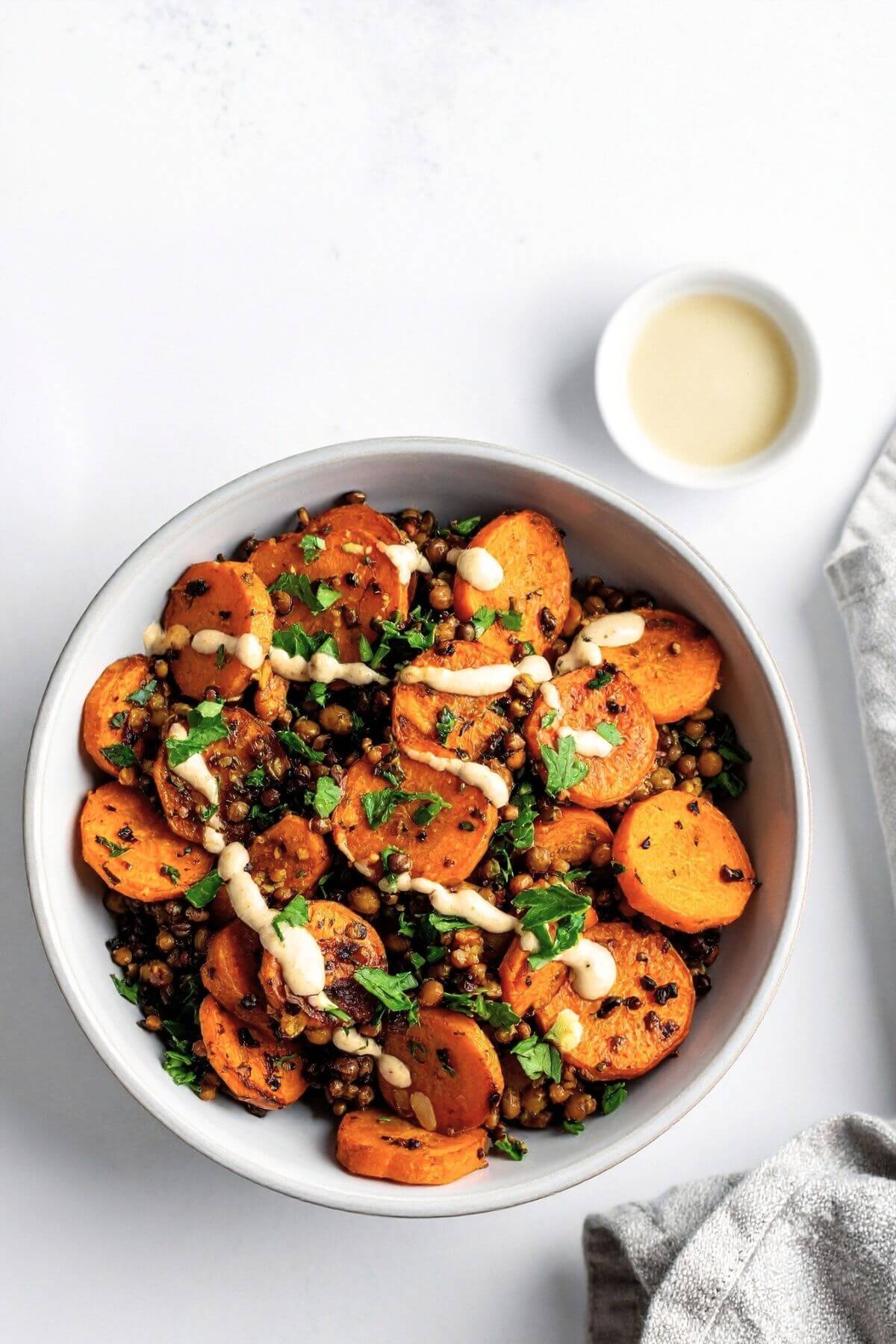
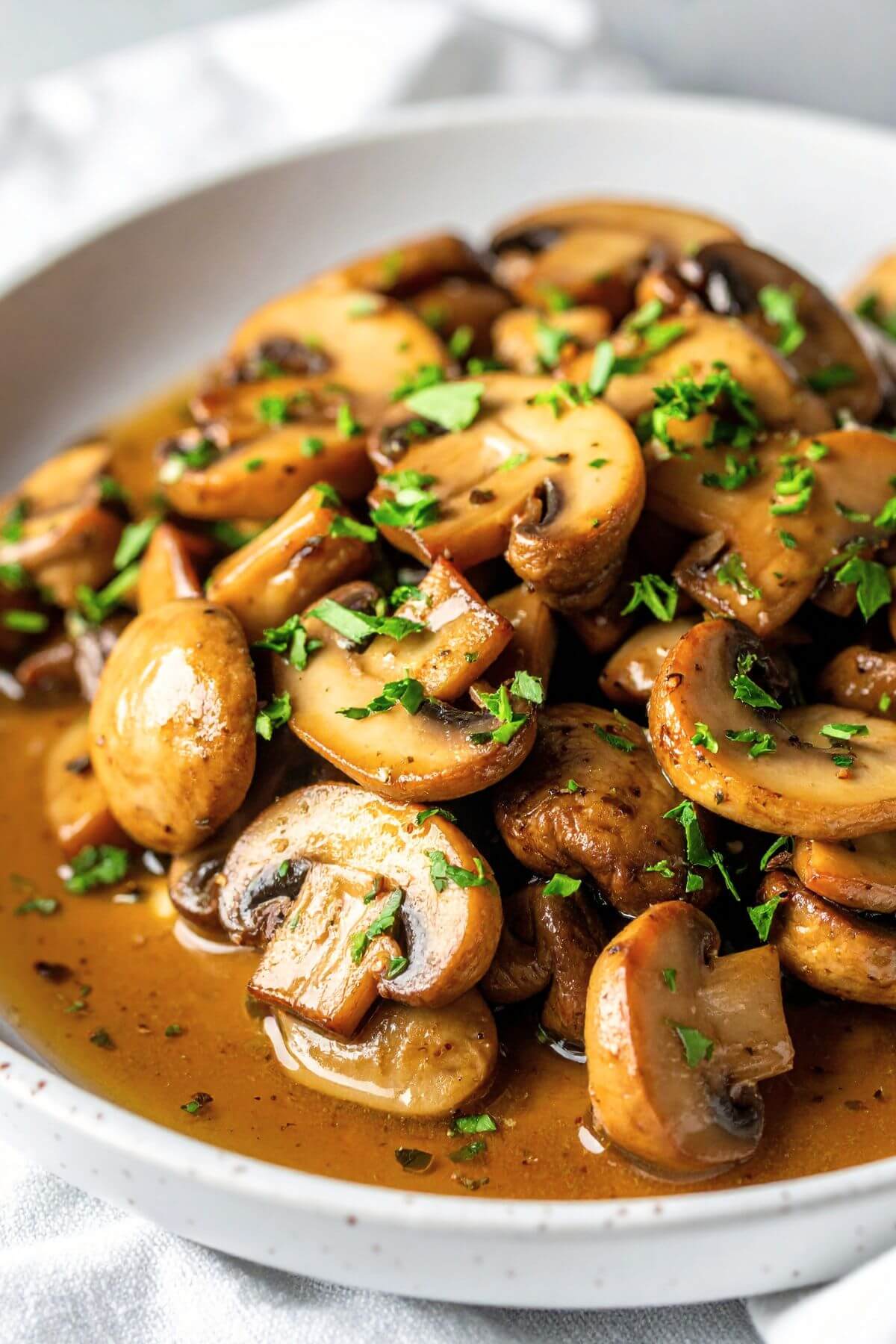
Most traditional Thanksgiving side dishes are surprisingly easy to make vegan. Often, it’s simply a matter of replacing butter, milk, or chicken broth with plant-based alternatives. And the best part? You can serve the same dishes to everyone at the table.
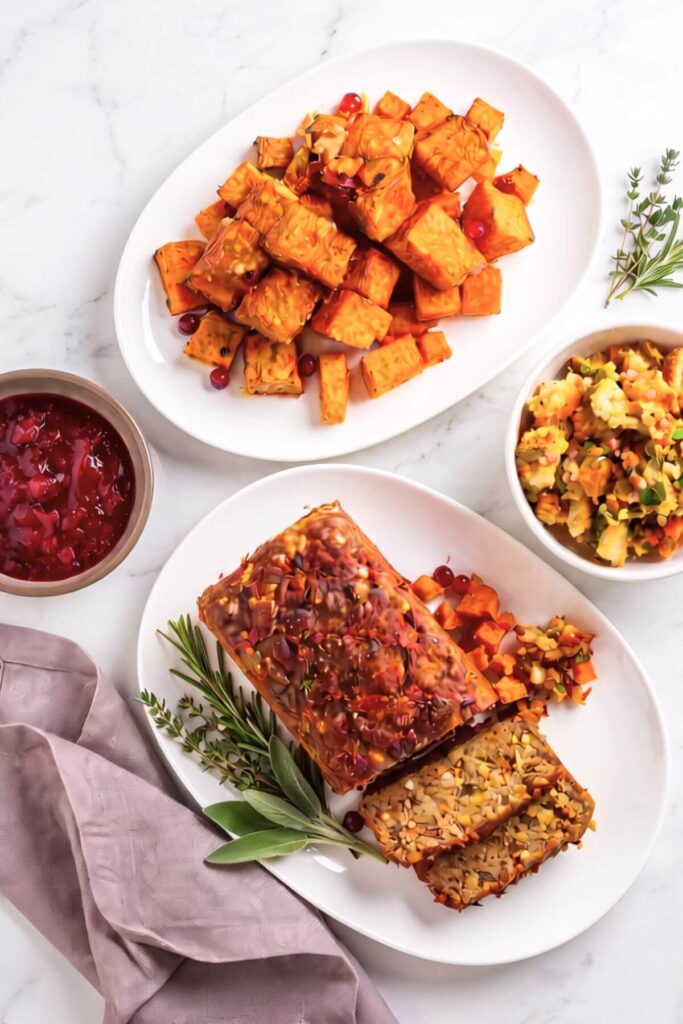
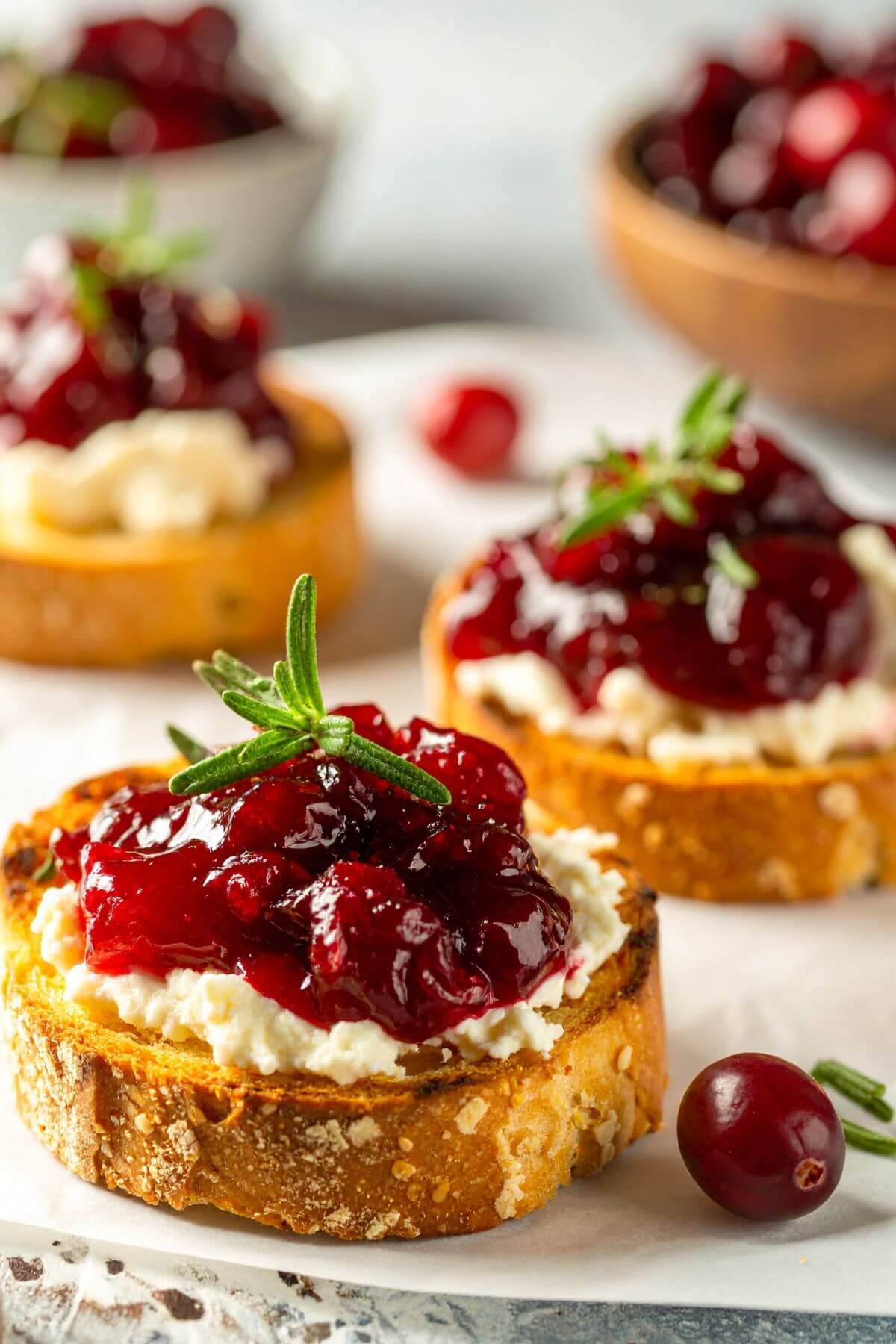
Table of Contents
How to Host Thanksgiving for Vegan Guests
1.Start by asking your guests
Before planning your Thanksgiving menu, check in with your guests about their food preferences and any dietary restrictions or allergies. Don’t assume that everyone who eats vegan enjoys the same foods, or that a dish labeled vegan is necessarily safe for someone with food allergies. A simple conversation can help you plan dishes everyone will enjoy. Ask if they have any favorite Thanksgiving foods they’d love to see on the table, or if they’d like to bring something to share. Most guests will appreciate being asked, and you’ll avoid unnecessary guesswork when planning your menu.
2. Understand what vegan actually means.
Vegan food is made without animal products, including meat, poultry, fish, dairy, eggs, and honey. While that might sound straightforward, some animal-derived ingredients can sneak into foods you wouldn’t expect. Traditional stuffing may contain chicken broth, vegetable dishes are sometimes seasoned with bacon or cooked in butter, and marshmallows often contain gelatin. Even some breads, pie crusts, and packaged foods contain milk or eggs. When shopping, look for products labeled vegan and check ingredient lists carefully. You don’t need to become an expert in vegan cooking to accommodate your guests. Just knowing a few ingredients to watch for can make a big difference.
3. Make traditional sides everyone can share.
You might be surprised how easy it is to make many of your favorite Thanksgiving side dishes vegan without changing the flavors everyone loves. For creamy mashed potatoes, swap dairy butter and milk for plant-based alternatives. Make traditional stuffing with vegetable broth instead of chicken broth, and use olive oil or vegan butter when roasting vegetables. Green bean casserole can be made with a dairy-free cream sauce, while a rich, savory gravy can be prepared with vegetable broth, herbs, and seasonings instead of turkey drippings. These simple substitutions mean you won’t have to prepare two versions of every dish, and everyone can enjoy the same Thanksgiving favorites.
How to Adapt a Few Sides for Vegans
Here are a few easy ways to adapt Thanksgiving favorites:
- Mashed potatoes: Use vegan butter or olive oil and warm, unsweetened plant-based milk instead of dairy.
- Stuffing: Replace chicken or turkey broth with vegetable broth and use olive oil or vegan butter. Check that the bread is egg- and dairy-free.
- Green bean casserole: Make a creamy sauce with plant-based milk and vegetable broth instead of traditional condensed cream soup.
- Sweet potato casserole: Use vegan butter and top with pecan crumble or gelatin-free vegan marshmallows.
- Roasted vegetables: Toss carrots, Brussels sprouts, or squash with olive oil, fresh herbs, salt, and pepper instead of butter or bacon.
- Thanksgiving gravy: Use vegetable broth, sautéed onions, herbs, and flour to make a rich gravy without turkey drippings.
4. Don’t forget a vegan main course.
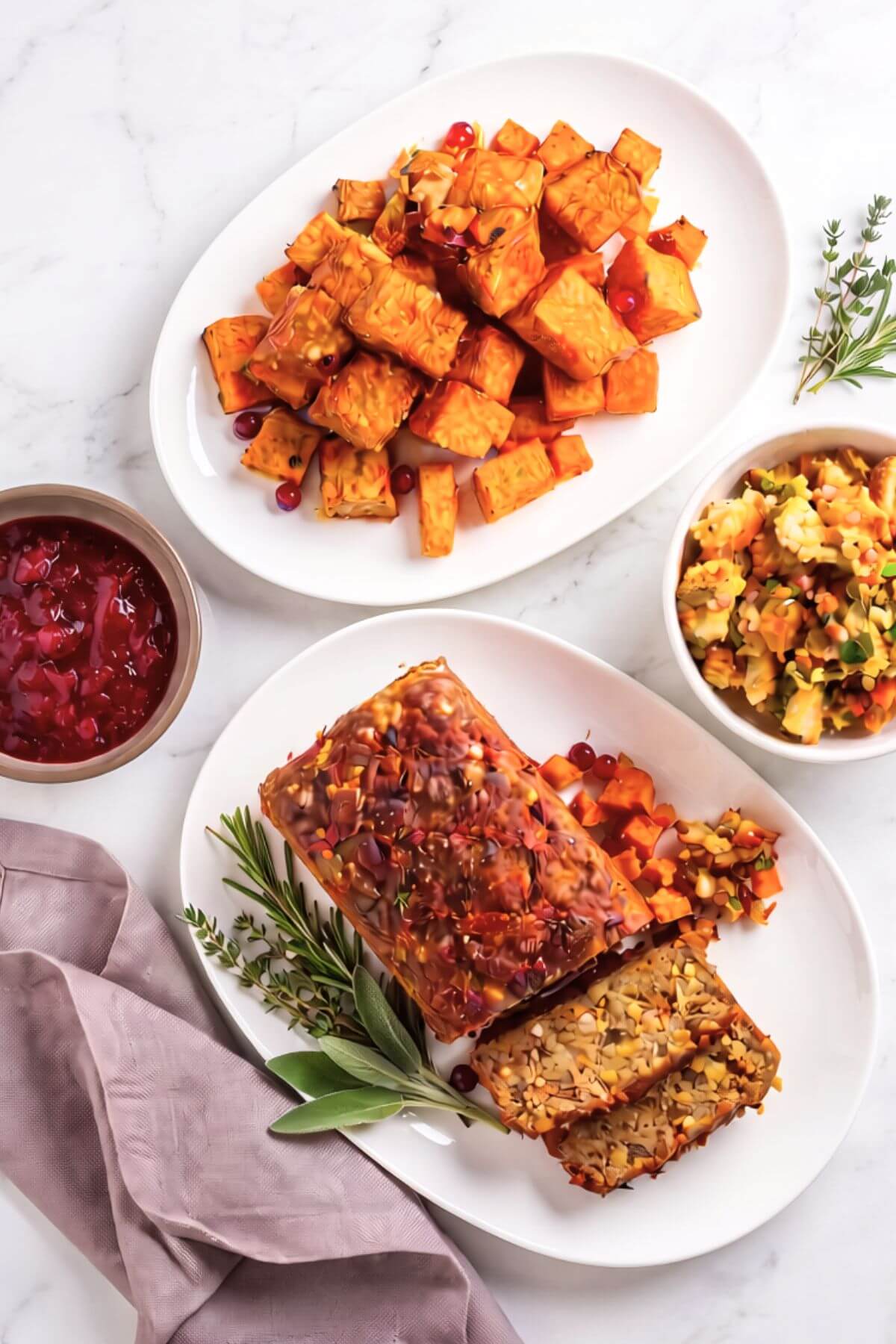
While traditional Thanksgiving sides are wonderful, it’s important to offer your vegan guests something more substantial than mashed potatoes and vegetables. Just as turkey is the centerpiece of a traditional Thanksgiving dinner, a hearty vegan main dish gives your plant-based guests something special to look forward to. Consider a savory lentil loaf, stuffed butternut squash, vegan Wellington, or a comforting vegetable pot pie. You might even find that your non-vegan guests are curious to try something new! Whatever you choose, make sure it’s satisfying enough to serve as a complete main course, with plenty to go around.
5. Watch for hidden animal ingredients
Even foods that seem vegan-friendly can contain unexpected animal ingredients. Packaged stuffing mixes and broths may contain chicken or turkey flavoring, while breads, biscuits, and pie crusts sometimes include milk, butter, or eggs. Desserts can be especially tricky, with gelatin in some puddings, marshmallows, and other sweet treats. Don’t forget to check toppings, sauces, and condiments, too. A sprinkle of Parmesan cheese, a drizzle of honey, or a pat of butter can turn an otherwise vegan dish into one your guests can’t enjoy. Reading labels and checking ingredients before you cook is a simple way to avoid surprises on Thanksgiving Day.
6. Keep serving simple.
A little organization can make Thanksgiving dinner more comfortable for everyone. If you’re serving buffet-style, use small labels to identify vegan dishes so guests don’t have to ask about every item. Give each dish its own serving spoon or utensil to avoid mixing ingredients, and keep non-vegan toppings like butter, cheese, and gravy separate so everyone can choose what they’d like. If you’re hosting a potluck, ask guests to bring a list of ingredients or label their dishes, especially if anyone has food allergies. These small touches make it easier for everyone to fill their plates, relax, and enjoy the celebration.
A Simple Vegan Thanksgiving Menu
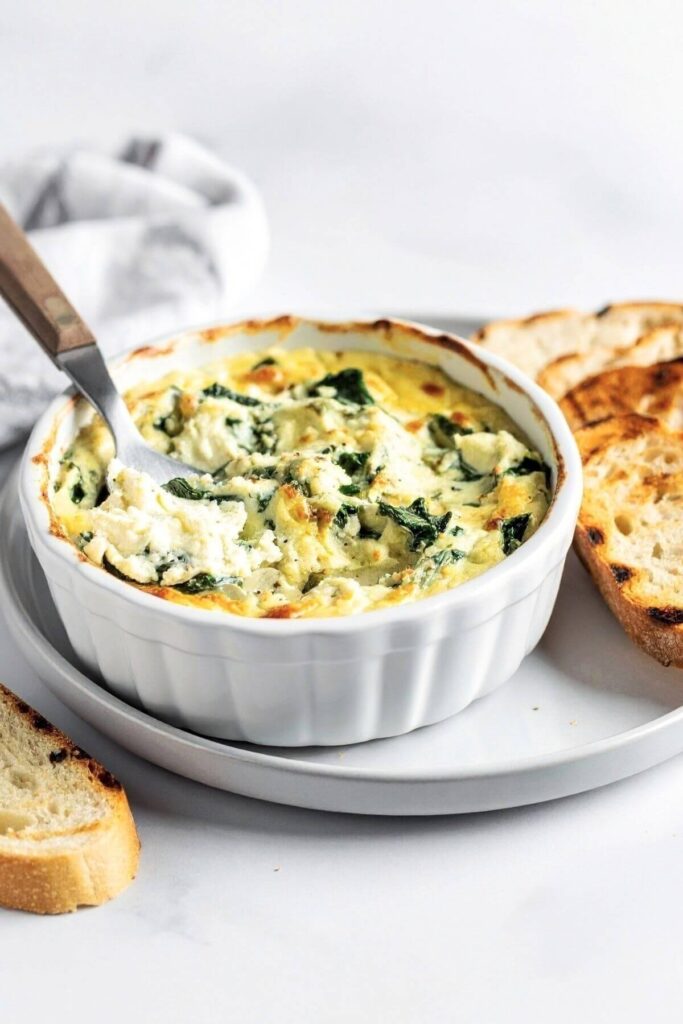


- Appetizer: Vegan Spinach Artichoke Dip
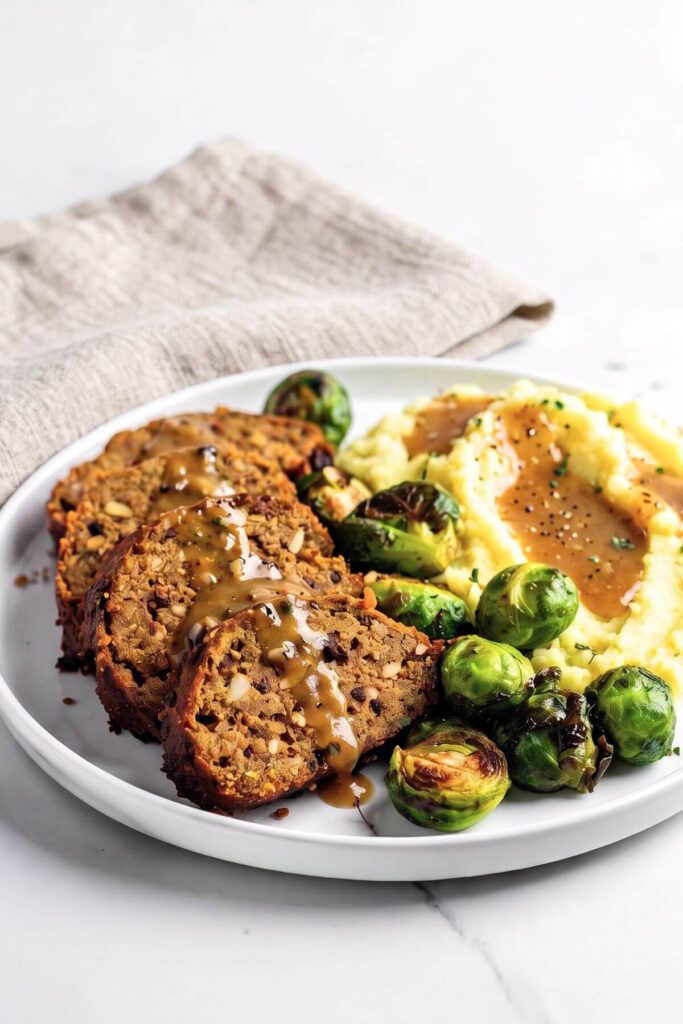
- Main Course: Vegan Lentil Meatloaf
- Mashed Potatoes: Vegan Roasted Garlic Mashed Potatoes
- Stuffing: Vegan Classic Stuffing
- Vegetables: French Green Beans with Shallots and Tarragon
- Cranberry Sauce: Easy Cranberry Sauce
- Gravy: Vegan Gravy
- Dessert: Vegan Pumpkin Pie
This menu brings together familiar Thanksgiving favorites without making holiday cooking unnecessarily complicated. You can also mix and match dishes with your family’s traditional recipes. For even more ideas, browse our complete collection of Vegan Thanksgiving Recipes.
Sample Timeline to Prep Ahead
A little planning can make Thanksgiving Day much more enjoyable, especially when you’re preparing dishes for guests with different dietary needs. Start by choosing your menu and making a shopping list at least a week ahead. Check ingredient labels for any vegan substitutions you’ll need, and shop early for specialty items that may be harder to find.
3–4 Days Before Thanksgiving: Do your grocery shopping, prepare cranberry sauce, and make any desserts that keep well in the refrigerator. Chop vegetables and gather serving dishes, utensils, and any labels you’ll need.
1–2 Days Before Thanksgiving: Prepare casseroles, stuffing, dips, and other dishes that can be refrigerated until you’re ready to bake or reheat them. If you’re making a vegan main course, check whether it can be assembled ahead of time.
Thanksgiving Morning: Bake your main dish, prepare fresh vegetables, and reheat casseroles and sides according to their recipes. Save the final touches, such as warming gravy and garnishing dishes, until just before serving.
Before Guests Arrive: Set out appetizers, arrange the buffet, and label vegan dishes so everyone knows what’s available. Keep separate serving utensils for each dish, and make sure hot foods stay hot and chilled foods stay cold.
And remember, you don’t have to make everything from scratch! Store-bought shortcuts, make-ahead dishes, and a Thanksgiving potluck can all help take the pressure off. The goal is to spend less time worrying about the meal and more time enjoying the holiday with family and friends.
Important hosting tip: Ask your vegan guests what they’re comfortable eating. Some appreciate traditional dishes made with plant-based substitutions, while others may prefer a clearly vegan main course or have additional dietary restrictions.

7 Extra Tips for Making Vegan Guests Feel Welcome at Thanksgiving
7 Extra Tips for Making Vegan Guests Feel Welcome at Thanksgiving
1. Make Bringing a Dish an Invitation, Not an Obligation
A Thanksgiving potluck is a wonderful idea, but vegan guests shouldn’t feel they have to bring their own dinner. Invite everyone to contribute something if they’d like, while making sure there’s plenty of food for everyone.
2. Save a Little Oven and Refrigerator Space
If guests are bringing dishes, they may need somewhere to keep them cold or warm them before dinner. A little extra kitchen space can make things much easier, especially when the oven is already full of Thanksgiving favorites.
3. Make Extra of the Vegan Favorites
Don’t be surprised if your non-vegan guests want to try the plant-based dishes, too! Prepare generous portions of crowd-pleasers so everyone can have a taste, and your vegan guests won’t have to worry about running out of food.
4. Offer Festive Drinks Everyone Can Enjoy
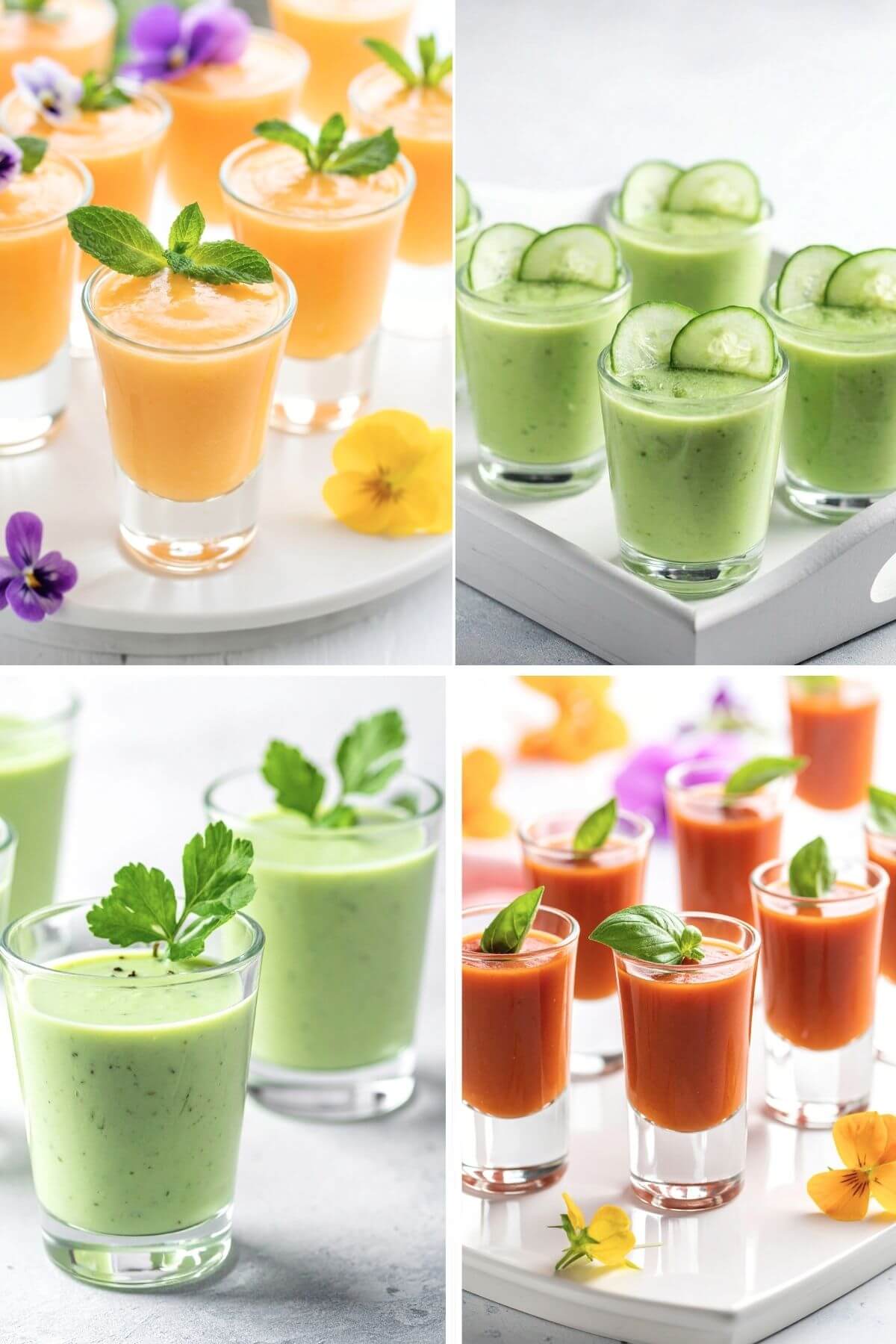
Spiced apple cider, sparkling cranberry punch, herbal teas, and other seasonal drinks are lovely additions to Thanksgiving. Having a few non-alcoholic options also makes it easy for guests of all ages and preferences to join in the festivities.
5. Share Your Family’s Thanksgiving Traditions
Thanksgiving isn’t just about what’s on the table. Invite everyone to participate in your favorite traditions, whether that’s sharing something they’re grateful for, playing games, watching a holiday movie, or taking a family walk after dinner.
6. Keep Dietary Debates Off the Dinner Table
Thanksgiving probably isn’t the best time to debate someone’s decision to eat vegan. Avoid putting guests on the spot with questions about their food choices or drawing unnecessary attention to what they’re eating. Let everyone relax and enjoy the occasion.
7. Send Guests Home with Something Delicious
One of the nicest Thanksgiving traditions is sharing leftovers! Have a few containers ready so guests can take home their favorite dishes. Make sure your vegan guests have some plant-based leftovers to enjoy the next day, too.
Editor’s Note
I’ve hosted many Thanksgiving dinners over the years, and I’ve attended plenty of non-vegan celebrations, too. One thing I’ve learned is that the most important part of hosting is making everyone feel comfortable and welcome, vegans and non-vegans alike. Everyone should have food they can enjoy without feeling singled out or like an inconvenience.
One of the easiest ways to accommodate vegans, non-vegans, and guests with different dietary restrictions is to host a potluck Thanksgiving. Ask everyone to bring a favorite dish they can eat and share. Not only does this take some of the pressure off the host, but it also ensures everyone has something they can enjoy. With a little coordination, you’ll have a wonderful variety of dishes, and everyone gets to be part of creating the Thanksgiving feast.